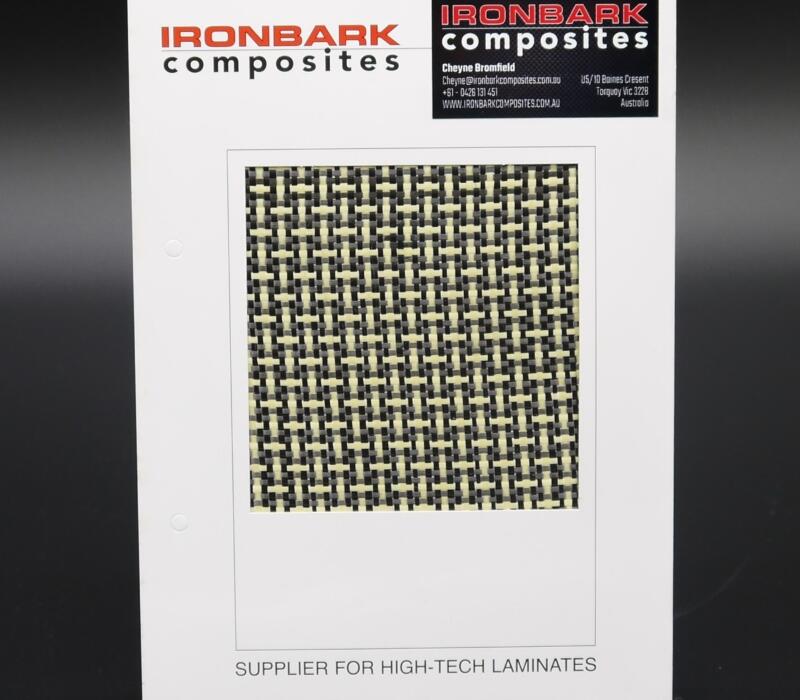
When engineers, manufacturers and performance enthusiasts search for advanced composite materials, carbon fibre twill fabric consistently stands out for its balance of strength, weight reduction and versatility. From automotive components to aerospace structures and marine applications, carbon fibre fabrics have become one of the most influential material innovations in modern manufacturing.
Understanding why carbon fibre twill fabric performs so well starts with both the science of the fibre itself and the unique weave pattern that has made twill one of the most widely used carbon fibre cloth options available today.
What is carbon fibre twill fabric?
Carbon fibre twill fabric is a woven reinforcement material made from thousands of ultra-fine carbon filaments bundled together into yarns known as tows. These yarns are woven in a distinctive diagonal pattern, commonly referred to as a 2×2 twill weave.
Unlike plain weave carbon fibre fabric, where fibres alternate over and under every strand, twill weave allows fibres to float over multiple strands before passing underneath. This creates the recognisable diagonal pattern often associated with premium carbon fibre components. The weave also improves flexibility and drapeability when working with complex moulds and curved surfaces.
This ability to conform to challenging shapes makes twill weave carbon fibre fabric a popular choice across automotive composites, marine composites, sporting equipment and advanced industrial manufacturing.
The science behind the strength
The exceptional performance of carbon fibre composites comes from their impressive strength-to-weight ratio.
Most modern carbon fibres are produced from polyacrylonitrile, also known as PAN. This synthetic polymer undergoes stabilisation, carbonisation and heat treatment processes to create fibres consisting primarily of carbon atoms arranged in highly organised structures. These microscopic structures provide exceptional tensile strength while remaining incredibly lightweight.
The result is a material that can deliver outstanding mechanical properties while significantly reducing overall component weight. Carbon fibre-reinforced plastics are now widely used in aircraft, automotive manufacturing, marine construction, drones and advanced engineering projects where weight savings directly influence performance and efficiency.
A fascinating history of carbon fibre
Although carbon fibre is often considered a modern material, its origins date back much further than many people realise.
Early forms of carbon filaments were used in the late nineteenth century, but the modern carbon fibre industry emerged after Japanese researcher Dr Akio Shindo developed PAN-based carbon fibre technology in 1959. This breakthrough laid the foundation for the high-performance carbon fibre composites used today.
During the 1960s and 1970s, advances in manufacturing processes dramatically improved fibre strength and consistency. Aerospace industries were among the first to adopt carbon fibre composites, driving further innovation and helping establish carbon fibre as a critical engineering material worldwide.
Today, PAN-based carbon fibre remains the dominant reinforcement used throughout the global composites industry due to its combination of strength, stiffness and manufacturing efficiency.
Why twill weave is so popular
Among the various carbon fibre fabric styles available, twill weave remains one of the most versatile options.
The diagonal weave structure allows the fabric to drape more effectively over complex geometries while maintaining excellent structural performance. This characteristic reduces wrinkling during lay-up and helps manufacturers achieve cleaner, more consistent laminates.
- Excellent conformability on curved surfaces
- Improved handling during lay-up processes
- Attractive visual appearance for exposed carbon components
- Compatibility with epoxy resin systems
- Suitability for vacuum bagging and resin infusion techniques
- Strong mechanical performance in composite laminates
These benefits have helped make carbon fibre twill fabric a preferred choice for both structural and cosmetic applications.
Common applications across Australian industries
As demand for lightweight materials continues to grow, carbon fibre composites are being used in an increasingly diverse range of industries throughout Australia.
In automotive applications, carbon fibre reinforcement helps reduce vehicle weight while maintaining structural integrity. Performance vehicles, race cars and custom fabrication projects regularly utilise twill weave carbon fibre fabrics for body panels, interior components and aerodynamic parts.
Marine manufacturers use carbon fibre cloth to create lightweight yet durable structures capable of withstanding demanding environments. The material’s corrosion resistance and strength make it particularly valuable for high-performance marine applications.
In aerospace, carbon fibre composites have become essential due to their ability to reduce weight while maintaining strength, contributing to improved fuel efficiency and performance.
Sporting equipment manufacturers also rely heavily on advanced composite materials, incorporating carbon fibre into bicycles, paddles, racquets and other high-performance products.
Working with carbon fibre fabric
Successful composite fabrication often involves more than simply selecting the right reinforcement fabric.
Carbon fibre twill fabric is commonly paired with epoxy resin systems, vacuum bagging materials and resin infusion equipment to produce high-quality composite parts. These manufacturing techniques help improve fibre-to-resin ratios, minimise voids and create stronger finished components.
Whether producing prototype components, custom automotive parts or industrial composite structures, choosing quality carbon fibre fabric and compatible composite consumables plays a significant role in achieving reliable results.
The future of carbon fibre composites
As manufacturing technologies continue to evolve, carbon fibre composites are becoming more accessible across a broader range of industries. Ongoing research focuses on improving sustainability, reducing production costs and developing next-generation fibres with even greater performance capabilities.
For Australian manufacturers, engineers and innovators, carbon fibre twill fabric remains one of the most exciting advanced composite materials available today, combining lightweight performance, exceptional strength and proven versatility across countless applications.
To learn more about premium carbon fibre fabrics, composite materials, epoxy resin systems and vacuum bagging products, contact Ironbark Composites to discuss your project requirements with the team.