
Fibreglass woven fabrics contain interlaced fibres, typically arranged at right angles, while multiaxial fabrics use layers of fibres oriented in specific directions and held together by stitching. Woven fibreglass cloths are commonly used for general laminating and surface reinforcement, while multiaxial fabrics can provide more targeted structural reinforcement. Choosing between these fibreglass fabrics depends on the component design, expected loads and manufacturing process.
Leading fibreglass fabric supplier
Ironbark Composites is a leading fibreglass fabric supplier, committed to advancing the use of composite materials across a diverse range of industries. Our extensive selection of fibreglass fabrics, including fibreglass woven fabrics and fibreglass cloths, to Australia and across the globe, including New Zealand, China, Singapore, and India; is designed to meet rigorous demands.
Showing all 14 results
-
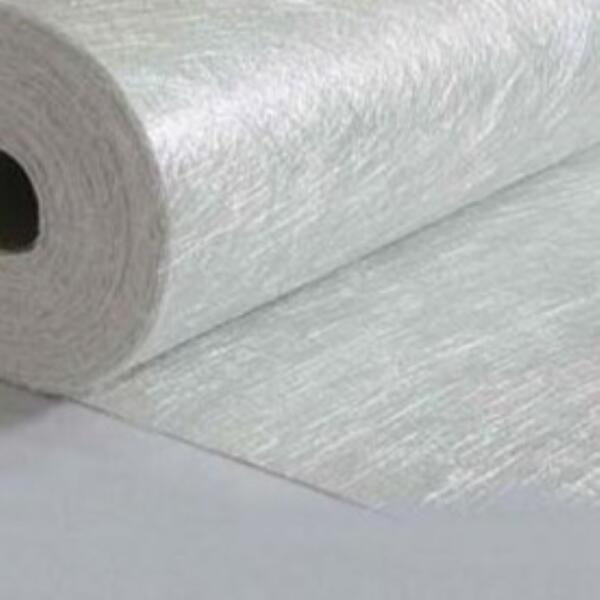
Chopped Strand Mat (CSM) Emulsion Bound
Lm | Roll -
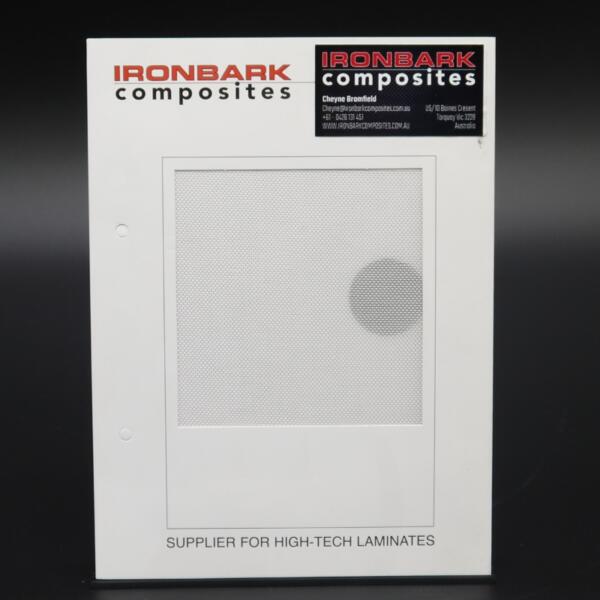
Fibreglass E Glass 100gsm P/W
Interglass -
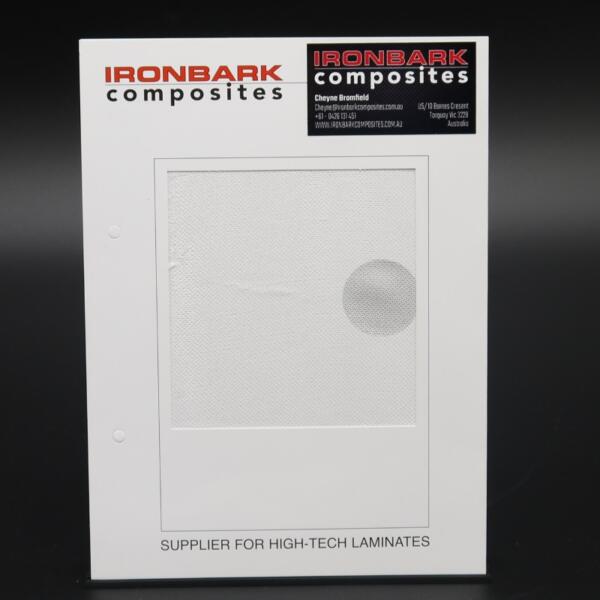
Fibreglass E Glass 107 4-Harnis Satin
4-Harnis Satin has excellent drapeability -
Fibreglass E Glass 162gsm
Available in Plain Weave and 2x2 Twill -
Fibreglass E Glass 185gsm Plain Weave
High Quality Plain Weave Fibreglass -
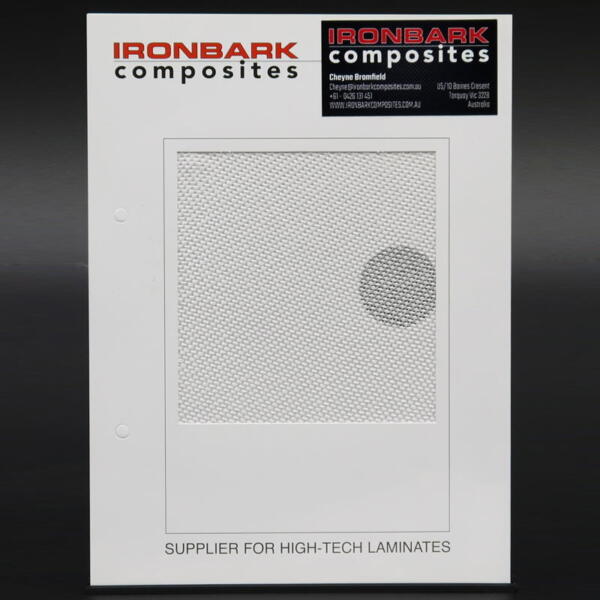
Fibreglass E Glass 23gsm
1270mm | Lm | Roll -
Fibreglass E Glass 320gsm Plain Weave
High Quality Plain Weave Fibreglass -
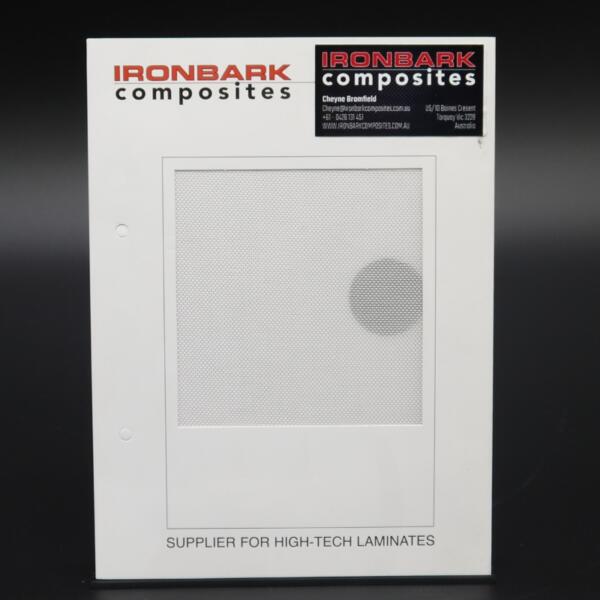
Fibreglass E Glass 50gsm
Lm | Roll -
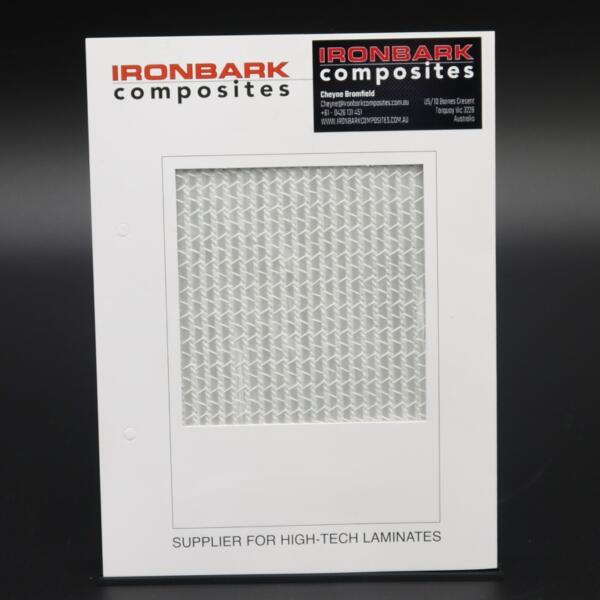
Fibreglass E Glass Biaxial +/- 45 – 1000gsm
High Quality Biaxial Fibreglass 1000gsm -
Fibreglass E Glass Biaxial +/- 45 – 400gsm
High Quality Biaxial Fibreglass 400gsm -
Fibreglass E Glass Biaxial +/- 45 – 600gsm
High Quality Biaxial Fibreglass 600gsm -
Fibreglass E Glass Quad Axial – 1200gsm
High Quality Quad Axial Fibreglass 1200gsm -
Fibreglass E Glass Quad Axial – 800gsm
High Quality Quad Axial Fibreglass 800gsm -
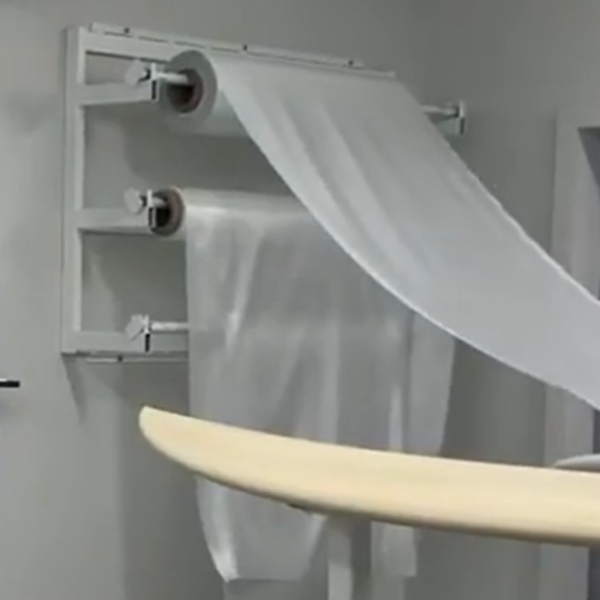
Fibreglass E Glass Surfboard Cloth 4oz 6oz 10oz
4oz | 6oz | 10oz | Lm | Roll
Fibreglass fabric is celebrated for its exceptional properties, including high tensile strength, low weight, and resistance to fire, chemicals, and water. These characteristics make it an invaluable resource in a myriad of applications.
Aerospace and automotive
Leveraging the lightweight and high-strength attributes of fibreglass fabrics, the aerospace and automotive industries can achieve enhanced performance and fuel efficiency, making vehicles lighter, stronger, and more durable.
Marine
The resilience of fibreglass fabric against water and harsh marine conditions makes it the material of choice for boats and other marine vessels. Its ability to resist corrosion and fatigue ensures long-lasting performance and safety on the water.
Construction and infrastructure
Fibreglass woven fabrics are integral to modern construction techniques, offering reinforcement in buildings and bridges. Their durability and resistance to environmental factors make them ideal for both internal and external applications.
Recreational equipment
From surfboards to sporting goods, fibreglass materials bring innovation to recreational equipment, offering the perfect balance of weight and strength for high-performance gear.
Industrial applications
The versatility of fibreglass cloths in Australia extends to industrial uses, including insulation, filtration, and protective coverings, where durability and resistance are paramount.
Ironbark Composites stands out as the premier supplier of fibreglass and carbon fibreglass fabrics in Australia. Our commitment to quality, innovation, and customer satisfaction drives us to source only the best materials, ensuring that our clients receive products that exceed their expectations.
Our comprehensive selection of fibreglass fabrics in Australia, made from woven cloths to carbon fibreglass hybrids, ensures that you have access to the materials you need to push the boundaries of what’s possible.
At Ironbark Composites, we’re not just suppliers of fibreglass materials in Australia and beyond, we also supply Aramid Kevlar and specialised fabric.
What is the difference between woven and multiaxial fibreglass fabrics?
How do I choose the right weight of fibreglass fabric?
Fibreglass fabric weight is measured in grams per square metre (gsm) and influences laminate thickness, resin requirements, handling and reinforcement properties. Lighter fabrics are often preferred for thin laminates, detailed shapes and surface layers, while heavier fabrics can help build laminate thickness more efficiently. When selecting fibreglass fabrics in Australia, consider the required laminate thickness, component geometry, structural performance and resin system rather than fabric weight alone.
Can fibreglass fabrics be used with both epoxy and polyester resin?
Yes, many fibreglass fabrics are compatible with epoxy and polyester resin systems, provided the fibre sizing and fabric construction are suitable. Epoxy resin is commonly selected for composite laminates requiring strong adhesion and specific mechanical properties, while polyester resin is widely used in general fibreglass fabrication. Before purchasing fibreglass cloths in Australia, confirm resin compatibility with your fibreglass fabric supplier to ensure the materials suit the intended manufacturing process.