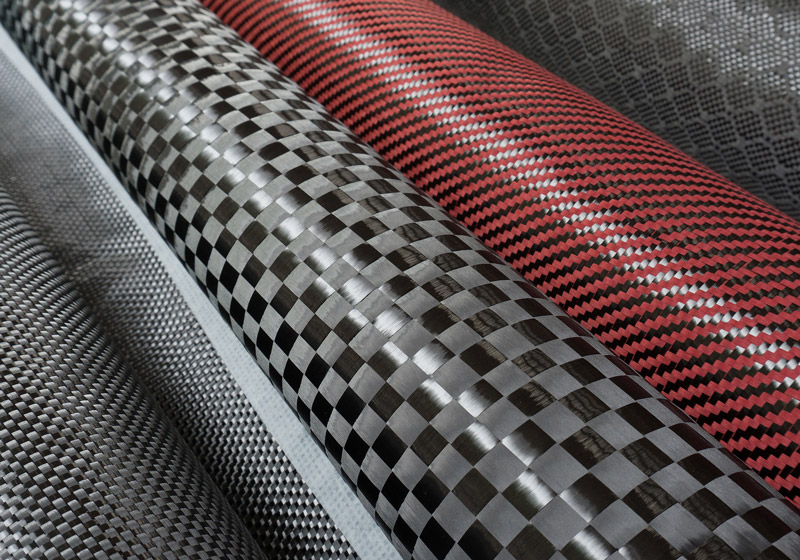
Choosing the right carbon fibre supplies in Australia can make the difference between a successful composite project and one that falls short of expectations. Ironbark Composites supplies high-quality composite materials across Australia. Carbon fibre reinforcement provides high strength with low weight. Selecting the right reinforcement, resin and consumables supports better structural performance, durability and finish quality. Whether you are building automotive components, marine parts, drone frames or custom engineering projects, understanding your material options helps you achieve the best outcome from the start.
Understanding your project requirements in Australia
Before selecting materials, define what your finished component needs to achieve. Consider the loads it will experience, the environment it will operate in and whether appearance is just as important as structural performance.
For example, a cosmetic interior panel requires different materials from a structural bracket or marine component. Carbon fibre is valued because it delivers an exceptional strength-to-weight ratio, making it suitable for applications ranging from motorsport and aerospace to marine projects and advanced manufacturing.
Choose the right carbon fibre fabric
Carbon fibre fabric reinforces composite structures. Different weave styles provide different handling characteristics, structural properties and finished results.
Carbon Fibre 2×2 Twill is one of the most versatile reinforcement fabrics available. Its diagonal weave allows it to drape easily over curves and complex moulds while producing the distinctive carbon fibre appearance many projects require.
It is well suited to applications such as automotive body panels, motorcycle components, marine parts and cosmetic carbon fibre products. Twill fabric helps fabricators cover complex shapes while maintaining an attractive and consistent surface pattern.
Consider carbon fibre plain weave fabric
Carbon Fibre Plain Weave Fabric offers greater dimensional stability because of its tighter over-and-under weave pattern. It is often preferred when maintaining fabric alignment is important or when a project needs to match an existing weave pattern.
Plain weave carbon fibre supports wet lay-up, vacuum bagging and resin infusion processes. It provides professional manufacturers and experienced DIY users with a stable reinforcement material for structural and cosmetic applications.
Because plain weave fabric moves less during handling, it can also be useful for flatter components and projects where accurate fibre positioning supports a clean and consistent laminate.
Use uni-directional fabric for directional strength
Carbon Fibre Uni-Directional Fabric places most of its fibres in one direction. This construction maximises strength and stiffness along a specific load path.
Uni-directional fabric helps engineers and fabricators reinforce components in areas where the expected load direction is known. It is commonly considered for structural beams, sporting equipment, aerospace components and high-performance engineering applications.
Unlike woven fabrics, uni-directional reinforcement does not provide the same balanced strength in multiple directions. The fibre orientation must therefore match the component’s engineering and structural requirements.
Do not overlook ready-made carbon fibre sheets
Cured Carbon Fibre Sheet provides a fully manufactured composite panel that is ready for machining and fabrication.
If your project does not require producing a laminate from scratch, cured sheets can significantly reduce manufacturing time. They provide dimensional stability, high stiffness and a professional finish while removing the need for laminating, curing and extensive finishing work.
These sheets are particularly suitable for brackets, covers, robotics, drone components and engineering panels. They help builders and manufacturers create precise components without establishing a complete composite laminating process.
Match your resin to your reinforcement
Carbon fibre fabric only performs as intended when it is paired with a suitable resin system.
Epoxy resin systems provide strong fibre bonding, mechanical performance and environmental resistance, making them a common choice for high-performance composite construction. Ironbark Composites supplies EPIKOTE laminating epoxy systems for composite manufacturing and related applications.
Selecting compatible reinforcement and resin improves laminate quality, reduces the risk of manufacturing defects and supports more consistent long-term performance. Resin viscosity, working time, cure schedule and intended processing method should all be considered before starting the project.
Consider your manufacturing method
The manufacturing process influences which carbon fibre materials and consumables you should purchase.
For simple projects, a hand wet lay-up process may be sufficient. More advanced applications can benefit from vacuum bagging or resin infusion, which support improved fibre consolidation, more controlled resin distribution and a consistent laminate finish.
Vacuum bagging consumables such as peel ply, breather cloth and bagging film each perform a specific function. Peel ply creates a textured surface for secondary bonding, breather cloth helps distribute vacuum pressure and bagging film seals the laminate during processing.
Selecting materials that suit the chosen manufacturing method helps reduce waste and supports more predictable project outcomes.
Buy carbon fibre supplies from an Australian supplier that understands composites
Choosing the right supplier is just as important as choosing the right material.
A knowledgeable supplier can recommend appropriate fabrics, resin systems and consumables based on the project rather than simply supplying individual products. This support can help customers reduce material waste, improve manufacturing efficiency and avoid costly compatibility or processing mistakes.
Ironbark Composites supports customers across Australia with carbon fibre fabrics, cured sheets, epoxy systems and composite materials suited to automotive, marine, aviation, renewable energy and advanced manufacturing applications.
Build your next project with confidence
Selecting the right carbon fibre supplies starts with understanding your project requirements, then matching the reinforcement, resin and manufacturing process to those needs.
Carbon Fibre 2×2 Twill supports complex shapes and visible finishes. Plain Weave Fabric provides stable handling and consistent fibre alignment. Uni-Directional Fabric delivers targeted structural performance. Cured Carbon Fibre Sheet offers a practical option for ready-to-machine components.
To discuss your application or find suitable materials for your next composite project, contact the experienced team at Ironbark Composites or explore the company’s range of carbon fibre and composite products.