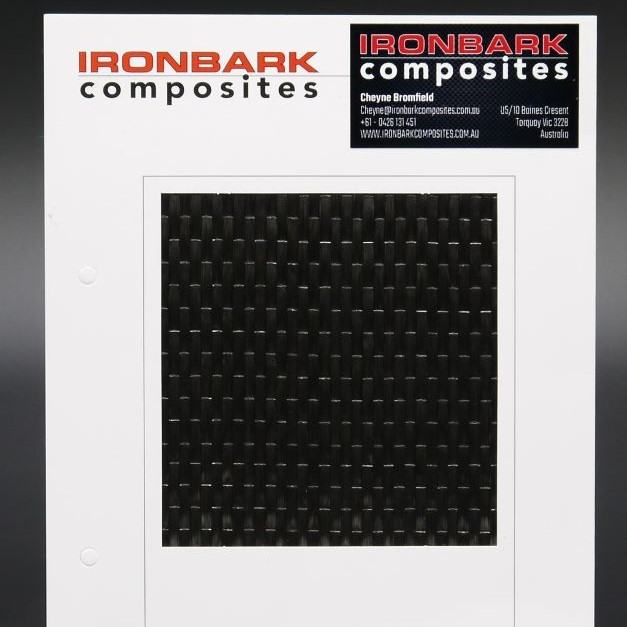
Carbon Fibre Uni-Directional Fabric
Carbon Fibre Uni-Directional Fabric
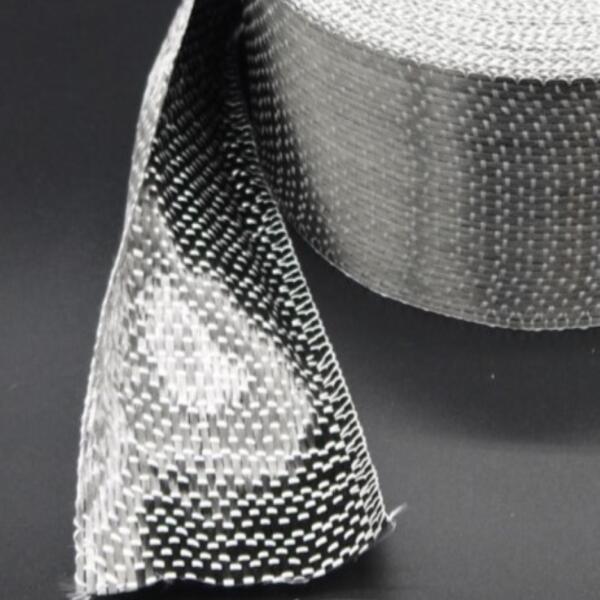
Carbon Fibre Uni-Directional (UD) Fabric is a high-strength reinforcement engineered to maximise stiffness and load-bearing performance in a single direction. With the majority of fibres running parallel, uni-directional carbon delivers exceptional tensile strength and efficiency where loads are predictable and directional.
Widely used in structural composite applications, UD carbon is ideal for parts requiring maximum reinforcement with minimal weight.
Key Features
- Fibres aligned in a single direction for maximum strength
- Extremely high stiffness-to-weight ratio
- Minimal fibre crimp for superior mechanical performance
- Lightweight reinforcement for structural laminates
- Excellent compatibility with epoxy infusion and laminating systems
- Suitable for complex laminate schedules and engineered parts
Typical Applications
- Marine and boatbuilding structures
- Automotive and motorsport components
- Wind turbine blades
- Sporting goods and performance equipment
- Tubes, beams, spars, and stiffeners
- Aerospace and advanced composite structures
Processing Compatibility
Suitable for:
- Resin infusion
- Vacuum bagging
- Hand laminating
- Prepreg and compression moulding processes
Compatible with:
- Epoxy resins
- Vinyl ester resins
- Polyester resins
Why Use Uni-Directional Carbon Fibre
Uni-directional carbon is the preferred reinforcement when strength is needed primarily in one direction. By eliminating fibre crimp found in woven fabrics, loads are transferred more efficiently through the laminate, resulting in:
- Higher tensile performance
- Increased stiffness
- Lower laminate weight
- Greater structural efficiency
UD fabrics are commonly layered with woven or biaxial reinforcements to create balanced laminate structures tailored to specific load requirements.
Available Options
- Multiple fibre weights available
- Standard and spread tow constructions
- Various roll widths available
Ironbark Tip
For best structural performance:
- Align fibres with the primary load path
- Combine with ±45° double bias fabrics for torsional stability
- Use vacuum bagging or infusion to achieve optimal fibre-to-resin ratios