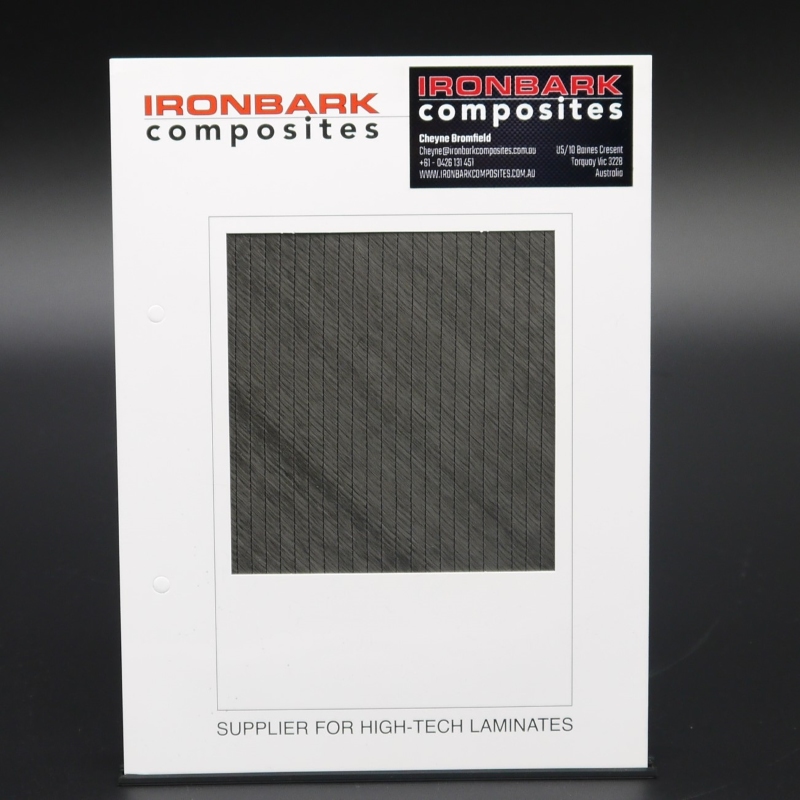
Carbon Fibre Double Bias Fabric
Carbon Fibre Double Bias Fabric
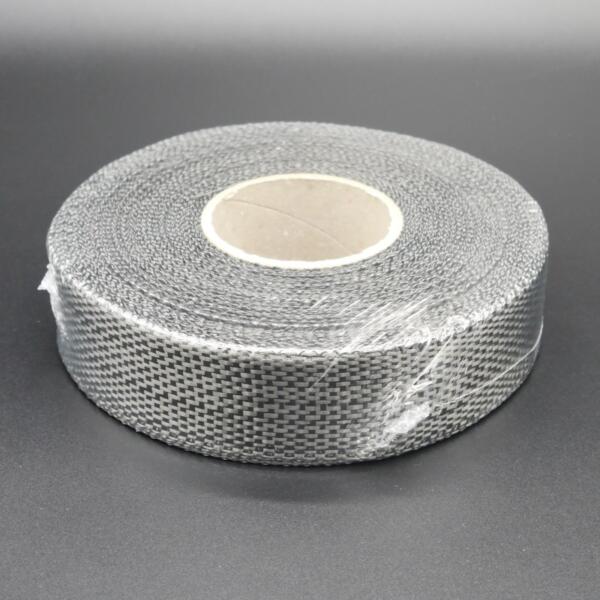
Carbon Fibre Double Bias Fabric is a high-performance stitched reinforcement designed for structural composite applications requiring strength in multiple directions. Constructed with fibres oriented at +45° and -45°, this fabric delivers excellent torsional strength, impact resistance, and load distribution while remaining highly conformable over complex shapes.
Unlike woven fabrics, double bias material has minimal fibre crimp, allowing improved mechanical performance and more efficient load transfer within the laminate.
Key Features
- Fibre orientation at +45° / -45° for multidirectional strength
- Excellent torsional and shear performance
- High conformability over curves and complex moulds
- Low crimp construction for improved laminate efficiency
- Fast wet-out and excellent resin flow
- Ideal for infusion and vacuum bagging processes
Typical Applications
- Marine and boatbuilding
- Automotive and motorsport components
- Wind energy structures
- Structural composite reinforcement
- Tubes, panels, and high-load parts
Processing Compatibility
Suitable for:
- Resin infusion
- Vacuum bagging
- Wet layup laminating
- Compression moulding
Compatible with:
- Epoxy resins
- Vinyl ester resins
- Polyester resins
Why Use Double Bias Carbon Fibre
Double bias fabrics are ideal when parts experience twisting, bending, or dynamic loading. The ±45° fibre orientation provides superior shear strength and helps stabilise laminates while maintaining excellent drape characteristics for difficult mould shapes.
Compared to woven fabrics, stitched double bias reinforcements provide:
- Better fibre alignment
- Improved mechanical performance
- Faster layup and wet-out
- Reduced print-through in many applications
Available Options
- Various weights available
- With or without lightweight stitching veil
- Roll widths to suit production and workshop use
Ironbark Tip
Double bias carbon is commonly combined with:
- Uni-directional carbon for primary load paths
- 0/90 woven fabrics for balanced laminate structures
- Infusion resin systems for high fibre-to-resin ratios and lightweight parts