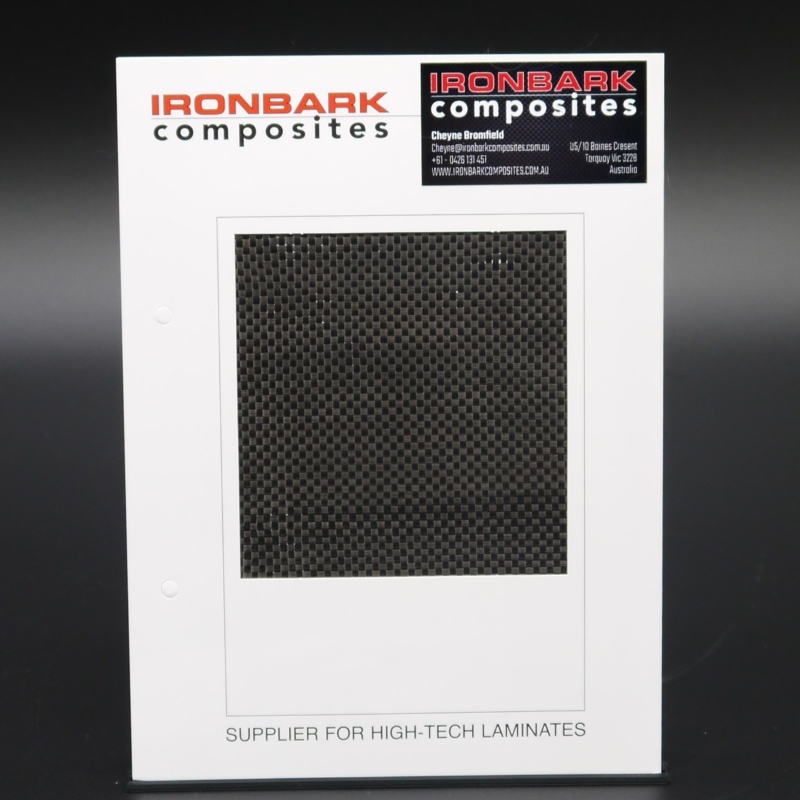
Carbon Fibre Plain Weave Fabric
Carbon Fibre Plain Weave Fabric
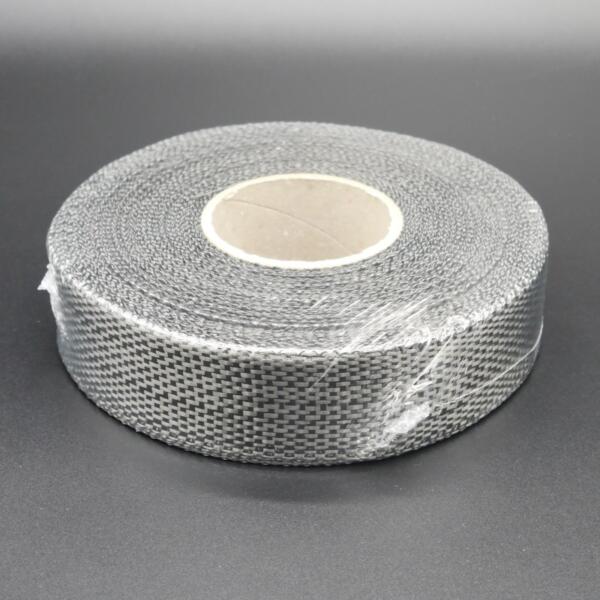
Carbon Fibre Plain Weave Fabric is a versatile composite reinforcement offering an excellent balance of strength, stability, and surface finish. Featuring a traditional over-under weave pattern, plain weave carbon provides a tight, uniform structure that is easy to handle and ideal for both structural and cosmetic applications.
Its balanced construction delivers consistent performance in multiple directions while maintaining excellent dimensional stability during layup and infusion processes.
Key Features
- Balanced strength in 0° and 90° directions
- Tight weave for excellent stability and handling
- Clean cosmetic carbon fibre appearance
- Suitable for structural and decorative laminates
- Good drape characteristics for complex shapes
- Compatible with a wide range of resin systems
Typical Applications
- Automotive and motorsport components
- Marine and boatbuilding
- Sporting goods and performance products
- Tooling and mould construction
- Cosmetic carbon fibre panels and overlays
- General composite manufacturing
Processing Compatibility
Suitable for:
- Hand laminating
- Vacuum bagging
- Resin infusion
- Compression moulding
Compatible with:
- Epoxy resins
- Vinyl ester resins
- Polyester resins
Why Use Plain Weave Carbon Fibre
Plain weave fabrics are popular for their stability and ease of handling. The tighter weave helps maintain fibre alignment during cutting and layup, making it ideal for detailed work and cosmetic laminates.
Compared to twill weave fabrics, plain weave offers:
- Greater dimensional stability
- Reduced fabric distortion during handling
- Cleaner edge control when cutting
- Traditional carbon fibre appearance
Available Options
- Various fabric weights available
- Multiple roll widths
- Standard and aerospace-grade fibre options
Ironbark Tip
For a high-quality cosmetic finish:
- Use a slow-curing epoxy system for better air release
- Vacuum bag where possible for reduced print-through
- Apply peel ply for improved secondary bonding and finishing preparation